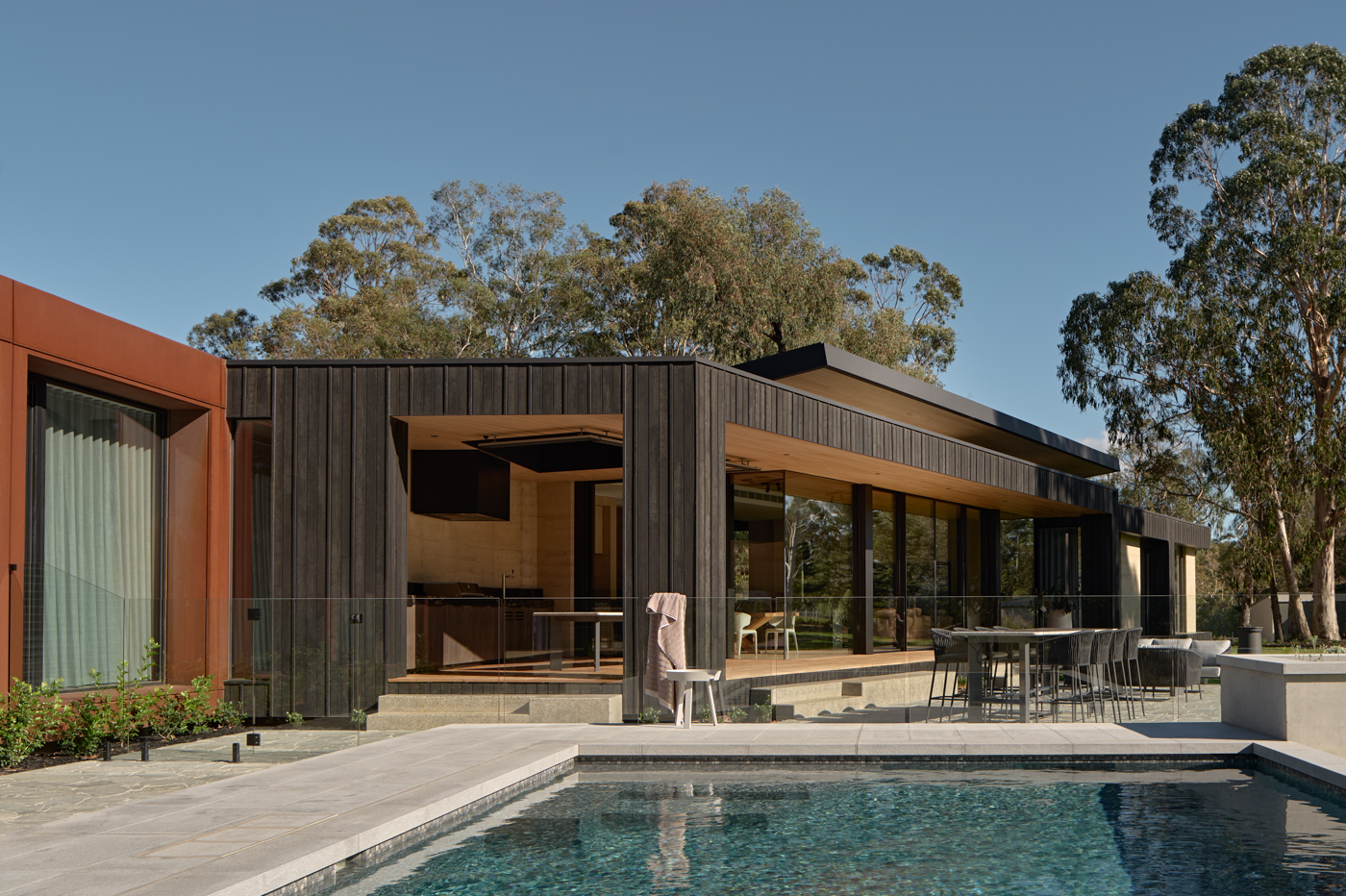
Most Melbourne homeowners who start researching home renovations and extensions reach the same conclusion. The home they already own has more potential than they gave it credit for. A third child arrives and the bedrooms don't add up. The kitchen gets swallowed by a growing family. The living room that felt fine when you bought the place now feels like everyone is on top of each other. The instinct for most people is to start browsing real estate. But for a large number of households, particularly in Melbourne's inner east, the better answer is already sitting underneath them.
The case for staying put and building out is stronger than most people realise when they first start looking at their options. Moving means giving up the school zone, the street, and the suburb you chose in the first place. For families with kids already settled into local schools or close to established routines, that continuity has real value that doesn't show up in a property comparison.
Home renovations and extensions let you stay where you are and build the home your household actually needs. Buying a bigger home in the same suburb often means buying someone else's compromises. An extension built around how your household works is designed for you, not for a broad market.
The term gets used loosely, so it helps to be specific. A home renovation typically refers to improving or reconfiguring what already exists. New kitchen, updated bathrooms, better layout, improved indoor-outdoor connection. An extension adds new space to the existing footprint, either at ground level or above it.
Most projects involve both. You extend to add bedrooms or living space, and you renovate to make the existing areas work better with the new addition. Doing both at the same time with one builder is almost always more efficient than staging them separately.
Common project types across Melbourne's inner east include rear ground floor extensions that open up the kitchen and living area, second storey additions that add bedrooms above the existing footprint, and partial upper level builds that create a master suite or extra rooms without the full scope of a complete second storey.
The right scope depends on your block, your structure, and your council. Not every home in Melbourne's inner east is suited to every extension type, which is why a site assessment before any design work begins matters more than most people expect.
A well-run home renovation and extension project follows a clear sequence. Site assessment and structural review first, then design, then permits, then build. The permit stage is where many Melbourne projects stall because homeowners underestimate what their council requires.
Boroondara, Manningham, Whitehorse, and Nillumbik all apply different planning requirements. Heritage overlays, neighbourhood character guidelines, and ResCode setback rules vary by council and by street. A builder who works locally knows what each council expects and factors that into your timeline from the start rather than discovering it midway through approvals.
The build itself for a standard rear extension runs for several months. A second storey addition takes longer. What matters is getting a realistic schedule upfront rather than an optimistic one designed to win the job.
Home renovations and extensions return the strongest results in suburbs where demand for larger homes outstrips supply. In Melbourne's inner east that covers most of the map.
Doncaster and Templestowe consistently see strong demand for 4-bedroom family homes. Kew, Balwyn, and Camberwell have a high proportion of 3-bedroom homes on blocks that are well suited to going up. Hawthorn, Surrey Hills, and Box Hill sit in councils where neighbourhood character guidelines shape what extensions look like but rarely prevent them.
If your home is a 3-bedroom in any of these areas, a well-built extension that takes it to 4 bedrooms is one of the most direct ways to shift its position in the market without moving.
Not every builder who takes on extensions has genuine experience with the structural and council complexity that comes with Melbourne's inner-east homes. The questions worth asking before you commit are straightforward.
Does the builder carry out a structural assessment before design begins or after? Do they manage planning and building permits as part of the project or leave that to you? Is your quote fixed or subject to variations once the build starts? Do they have a dedicated site manager who runs your project from assessment through to handover?
Home renovations and extensions are a significant undertaking. The process should be clear before anything is committed.


