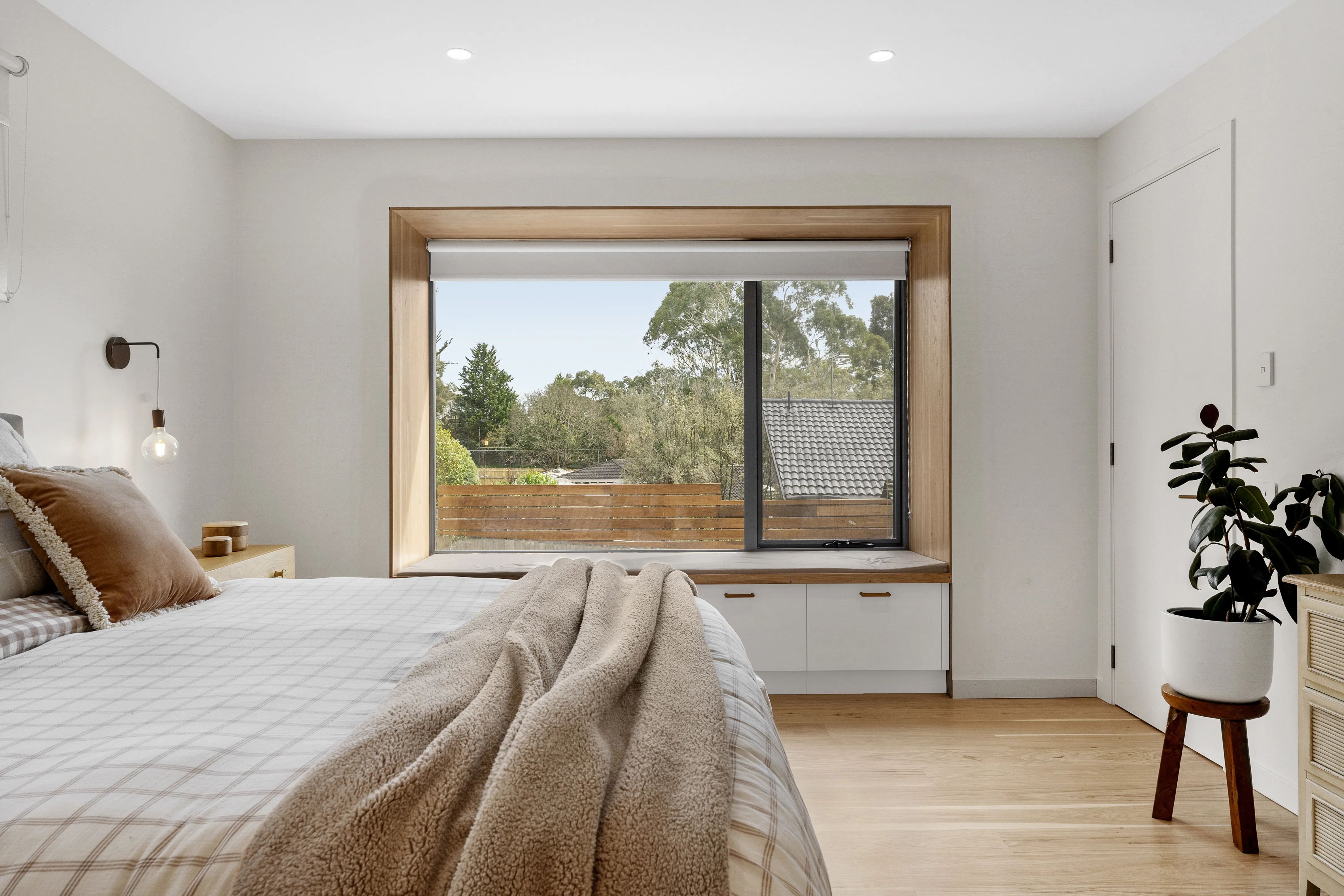
Small renovations in Melbourne often deliver the biggest lift in day to day living for the least disruption. The value sits in where the work lands, not how much of the house it touches. Kitchens, bathrooms, laundries, and a single removed wall tend to return the most. Getting the scope right early is what keeps a small job small.
Small renovations in Melbourne rarely get the attention the big builds do, yet they often deliver the most livable change for the least disruption. A reworked kitchen, a smarter bathroom, a single wall removed to open up a dark hallway. These are the projects that quietly reshape how a home feels every day without the timeline or upheaval of a full rebuild.
The word small does a lot of work here, so it helps to be clear about it. A small renovation usually means a contained project with a defined scope. It stays within the existing footprint of your home, which is exactly why it moves faster and carries fewer surprises than an extension or a second storey.
A small renovation typically covers work like:
It also helps to separate a renovation from a refresh, because the two get confused. Repainting or swapping tapware is cosmetic. A renovation changes how a space works, not just how it looks. That distinction sets your expectations for cost, time, and the trades involved.
Small renovations tend to be judged on their size, which is a mistake. Their value comes from where they land, not how much of the house they touch.
A kitchen is the room you use most, so improving its flow and light changes your daily experience more than almost anything else you could build. The same goes for a bathroom that finally works for a growing family, or a wall that turns two cramped rooms into one usable space.
There is a financial side too. A well executed kitchen or bathroom is one of the more reliable ways to lift a home's appeal to buyers, and it does so without the long payback period of a major addition. For first home buyers and renovation clients working to a budget, that ratio of impact to spend is hard to beat. Developers freshening a property for sale often reach the same conclusion.
The value also compounds in ways that are easy to miss. Open a kitchen to a living area and the whole rear of the house reads as brighter and larger, even though you have not added a single square metre. That knock on effect is why a modest budget spent in the right place can outperform a much larger spend in the wrong one. See examples of kitchen and living space renovations we’ve completed.
Melbourne's housing stock is part of the reason small renovations work so well here. Much of it is older, from postwar brick veneers through to period homes across the inner east. These houses often have good bones and generous proportions, but their layouts reflect how people lived decades ago.
A few rooms carry most of the return.
Because these changes stay internal, they usually avoid the planning hurdles that come with altering a home's external form. That matters in councils across the inner east that scrutinise anything visible from the street. Keeping the work inside the existing envelope is often what keeps a small renovation genuinely small.
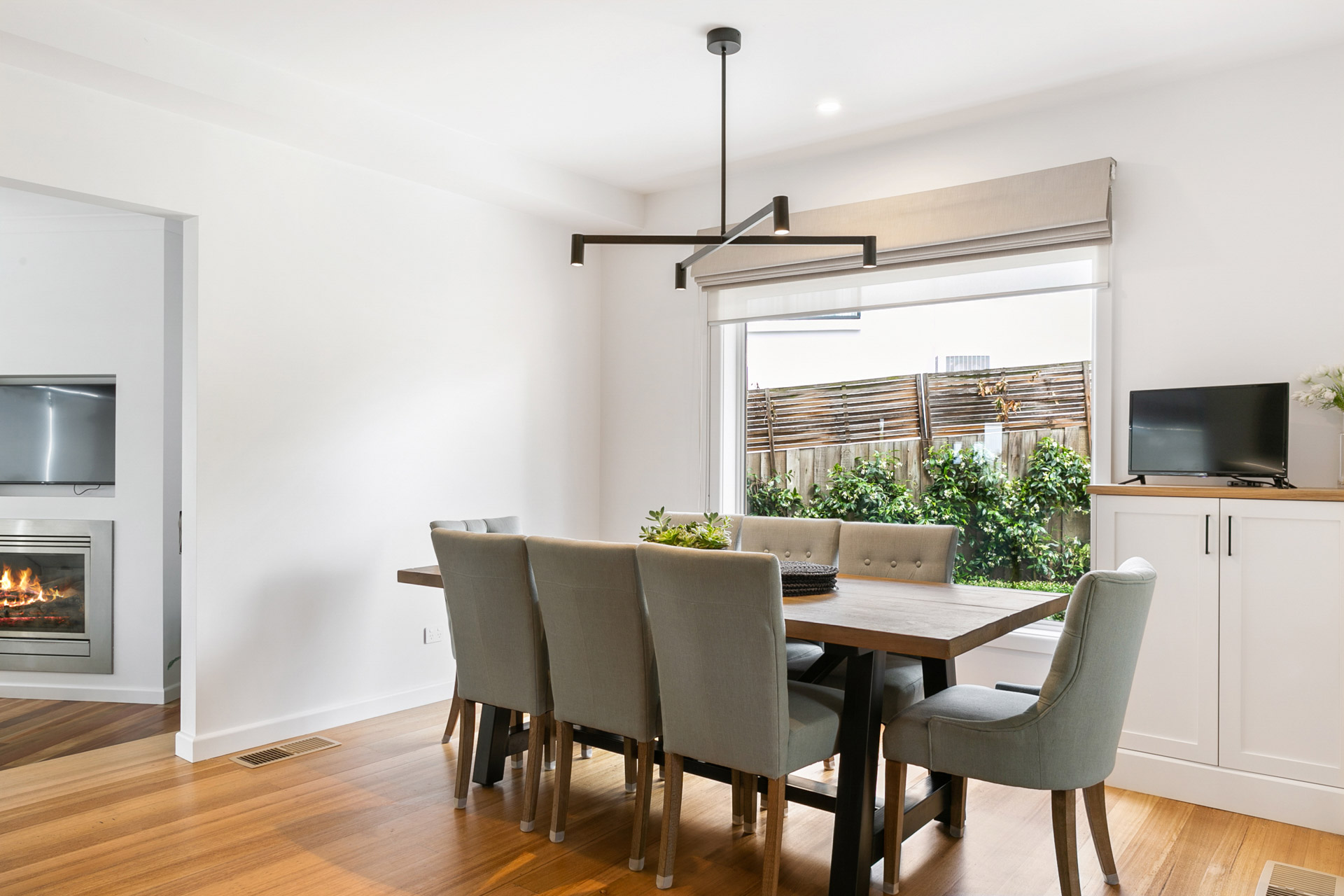
The part homeowners least expect is that a small renovation can still involve structure. The wall you want removed may be load bearing, which means a beam and proper engineering rather than a demolition hammer and a weekend.
Older Melbourne homes also tend to hide their age behind plaster and tiles. Outdated wiring, tired plumbing, and the occasional pocket of damage only reveal themselves once a wall or floor is opened.
None of this should put you off. It simply means the smart move is to understand what sits beneath the surface before you commit to a fixed scope. A proper assessment early tells you whether that wall is structural, whether the services need updatin
The projects that go smoothly are the ones with a clear boundary drawn early. Scope creep is the most common way a small renovation stops being small, and it usually happens one reasonable sounding addition at a time.
A new benchtop leads to new cabinetry, which leads to moving the plumbing, which leads to relocating a wall. Before long a two week job has become a three month one.
The way to avoid that is to decide what the project is meant to achieve before any work begins. If the goal is a functional, modern kitchen, then every decision gets measured against that. A good builder will help you hold that line rather than quietly widening it.
Sequencing matters just as much as scope. Trades need to arrive in the right order, and a delay in one holds up the next. This is the real argument for having a builder coordinate a small renovation rather than managing a string of individual trades yourself. You can read more about how we manage that on our Why Us page.
Not every home needs an extension, and not every homeowner wants the disruption of one. If your home has the space you need but not the layout, or if a few key rooms are letting the rest of the house down, a small renovation is often the more sensible investment. If you’re weighing a renovation up against a bigger extension, our guide to small home extensions in Melbourne covers how the two compare.
There is also a staging argument worth considering. A small renovation now can be planned so it works with a bigger project down the track rather than against it. Update the kitchen with the future footprint in mind and you avoid tearing out new work when the extension finally happens.
For anyone still researching, the useful question is not how much you can add, but how much better your home could work as it already stands. More often than not, the answer sits in one or two well chosen rooms.


