Mitcham has long been one of Melbourne's most practical outer-east suburbs. Sitting within the City of Whitehorse, it offers the block sizes, accessibility, and lifestyle balance that keeps families here for generations.
As builders in Mitcham, what we find most interesting about the suburb is the variety. You've got flat, straightforward blocks and tree-canopied, undulating terrain as you move north toward the Dandenong Ranges foothills.
Craft Built Homes has worked as a trusted local builder across Mitcham and Melbourne's eastern suburbs for years. We understand the Whitehorse planning framework, know which pockets of the suburb throw up site challenges, and deliver homes designed around the block, not just dropped onto it.
Why Choose Us
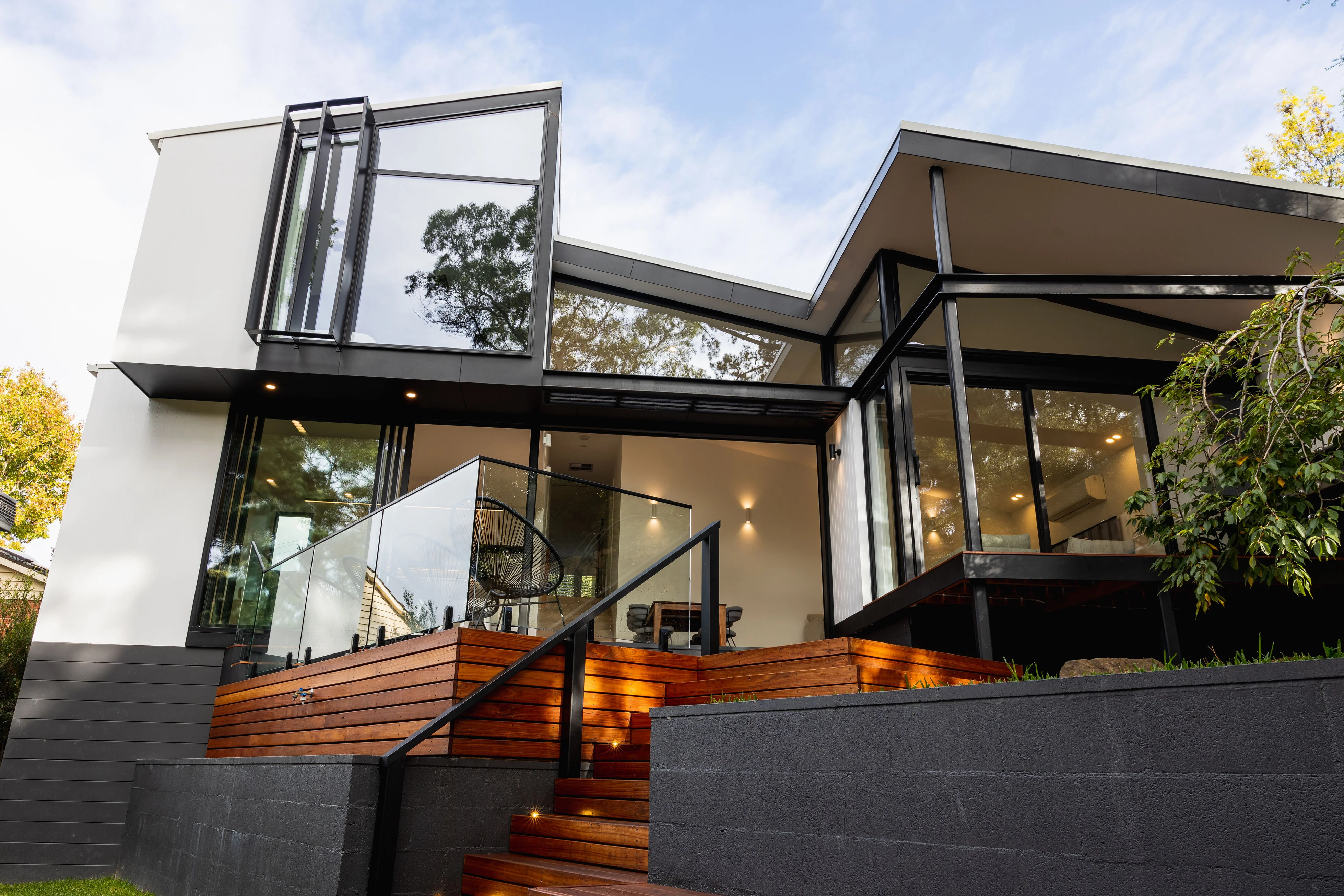
Whitehorse
We know Mitcham and the City of Whitehorse planning scheme the Neighbourhood Residential Zones, Vegetation Protection Overlays, and what council expects from a well-designed build or renovation in this part of Melbourne's east.

Character
Mitcham's established streets come with Neighbourhood Character controls that shape what can be built and how. We've worked within Whitehorse's character requirements on many projects and know how to get designs approved without unnecessary delays.
Site Conditions
Mitcham blocks are often larger than Melbourne's inner suburbs, but they come with canopy trees, easements, and Vegetation Protection Overlays that need to be planned around properly. We account for these from day one, not after the contract is signed.
Communication
You'll deal with people who actually know your project, not a call centre, and not a site manager spread across 15 builds. Your project gets consistent oversight from first consultation through to handover.

Pricing
Costs upfront, not after you've signed. We scope your Mitcham build properly so the number we give you at the start is the number that holds through to handover, no provisional sum surprises.

Quality
Clean sites, trades that show up, and a level of detail in the finished home that holds up long after the keys are handed over. As a proud HIA member, that's the standard we build to on every Mitcham project.

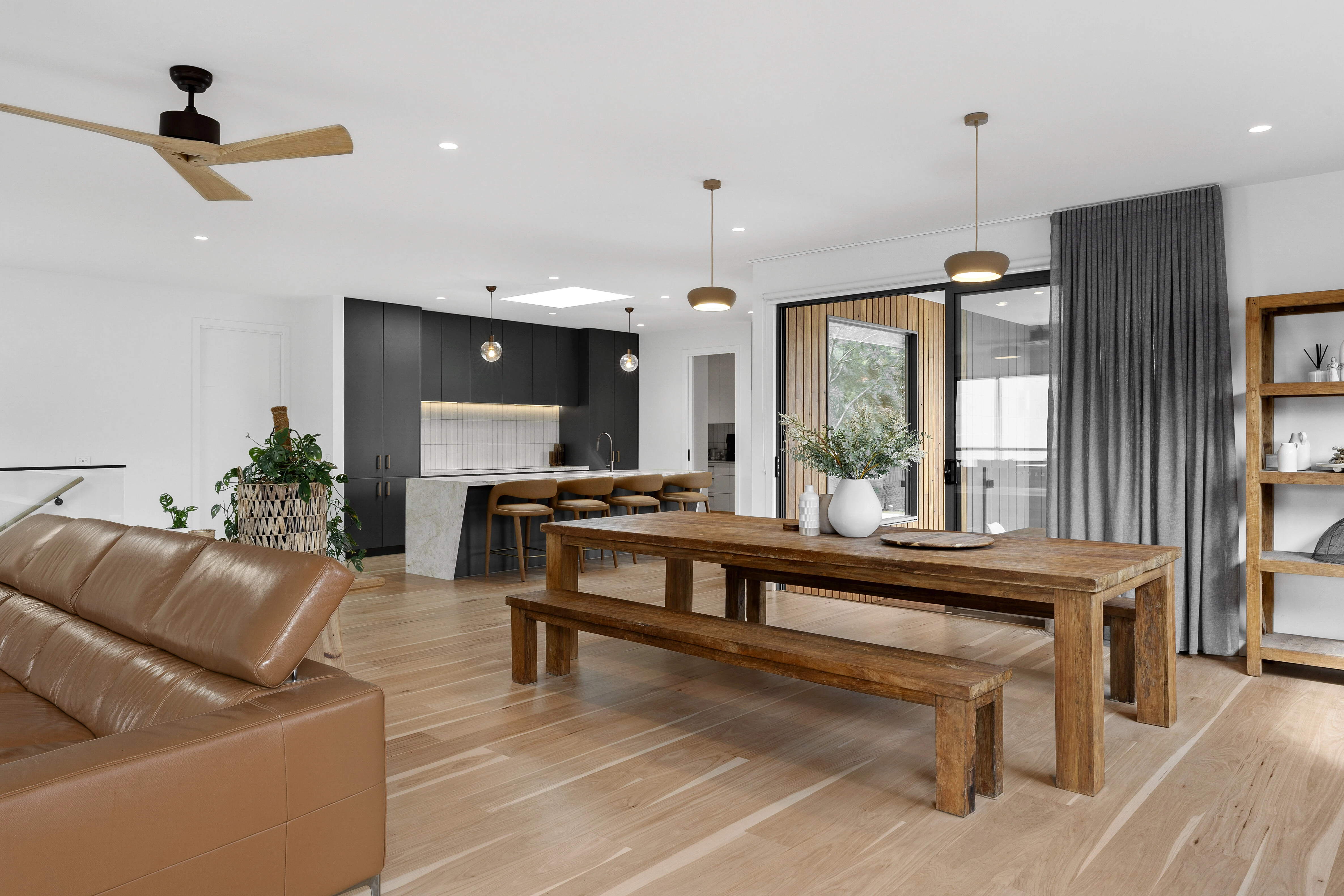

We want to understand your block, your brief, and what matters most to you. If it's a Mitcham property with Vegetation Protection Overlays, character controls, or access restrictions, we'll set your expectations upfront.
We clarify what's involved,what's realistic for your block, and map out the best path forward, including plans, design, and any council approvals required through Whitehorse.
We coordinate with your architect or designer, manage permits and planning approvals through Whitehorse City Council, and lock in the full build pathway before construction begins.
Detail-driven construction, steady communication, and a clean handover of your completed Mitcham home that you'll be proud of.
Knockdown rebuild on a blockthat's been in the family for decades. New home on a vacant lot. Extension thatfinally gives you the kitchen and living space you've been putting off. Whatever the project, we'll tell you exactly what's involved and how to get it done without the runaround.

Mitcham sits in the City of Whitehorse, 22km east of the CBD. It combines generous established blocks, significant tree canopy protected under Vegetation Protection Overlays, and Neighbourhood Character controls that shape how new homes must look and sit on the street. Getting all three right from the design stage is what keeps a Mitcham build on track.
Mitcham is covered by Whitehorse's Significant Landscape Overlay Schedule 9 (SLO9) and Vegetation Protection Overlays. These control which trees can be removed and how new builds must be sited around significant canopy. We factor this in from the concept stage, not after a permit application stalls.
Whitehorse requires both a planning permit and a building permit for most new builds, knockdown rebuilds, and major extensions in Mitcham. The planning permit assesses Neighbourhood Character, tree protections, setbacks, and site coverage. Working with a builder who knows Whitehorse's expectations from day one keeps your project on schedule.
Yes. Mitcham's larger, established blocks and strong transport and school access make it one of the better-value suburbs in the east for a knockdown rebuild, provided the tree and character overlays are planned around properly.
Costs vary depending on scope, whether it's a single- or double-storey extension, and site conditions like slope or tree protection requirements. We give fixed, itemised pricing after an initial site assessment, not a rough estimate that changes later.
The Neighbourhood Character Overlay guides the scale, setbacks, materials, and street presentation of new homes and extensions so they sit comfortably within the existing streetscape. It doesn't stop good design, but it does need to be considered from the first concept sketch.
Key factors are block size and orientation, any tree or vegetation overlays, easements, and how the existing dwelling compares to what a new build could achieve. We can assess this for you at an initial site visit.
Yes. Once demolition begins, you won't be able to live on site until the new home reaches lock-up and passes the relevant inspections. We'll give you a realistic timeline upfront so you can plan alternative accommodation.
Ask whether pricing is fixed orrelies on provisional sums, who manages Whitehorse Council approvals and any SLO9 tree assessments, how many projects the builder is running alongside yours, and who your day-to-day site contact will be. Your contract should clearly cover scope, inclusions, variations, timeline, payment schedule, insurance, and warranty before you sign anything.


